
Garage equipment
Garage equipment calibration
Using manufacturer-approved calibration equipment and highly trained engineers, Garafit calibrates a wide range of workshop equipment — smoke and gas analysers, torque wrenches, tyre pressure gauges, micrometers and LEV testing among many others. Calibration keeps your readings accurate, your workshop compliant and your equipment performing as it should.
NOT SURE WHEN YOUR EQUIPMENT IS DUE?New to Garafit or unsure when your equipment needs calibrating? Send us your calibration certificates and we can check when your next calibration is due. If you don’t have them, we can advise you on how often your equipment should be calibrated and what’s required.
Get a quote 0117 971 1451What we do
Scheduled calibration, organised before it is due
Accurate, reliable equipment is essential for a safe and compliant workshop. At Garafit, we take the hassle out of keeping your equipment calibrated, with scheduled calibration carried out by GEA-approved engineers using manufacturer-authorised calibration equipment.
For MOT equipment, calibration is a regular requirement, with most MOT equipment requiring calibration every six months. We keep track of your calibration dates and contact you the month before your calibration is due, giving you plenty of time to arrange a convenient date and minimise disruption to your workshop.
Calibration isn’t just about MOT equipment. We also calibrate a range of small workshop tools and measuring equipment, including torque wrenches, gauges and meters and much more. Regular calibration helps ensure your equipment remains accurate, reliable and within the required tolerances.
How the calibration works
Equipment appraisal
How can you be sure your tools are measuring accurately? We carry out a detailed appraisal to establish whether calibration is required, comparing each tool against the recognised legal standard for that equipment type.
Within tolerance, or out of service
Our calibration confirms that readings fall within the correct tolerance range, which varies by equipment. Where an item fails to meet the required standard we adjust it back into specification, and where that is not possible we will tell you plainly that it should come out of service.
Certification for your records
Calibration is recorded and certificated so that your MOT station and DVSA records stand up to inspection without you having to reconstruct what was done and when.
Why calibrate?
Over time, workshop equipment can lose accuracy through regular use, wear and exposure to heat, moisture, dust and accidental knocks. Regular calibration checks that your equipment is still operating within the required tolerances and manufacturer specifications, helping to identify any loss of accuracy and correct it where possible. Keeping your equipment regularly calibrated helps you maintain compliance, improve safety and ensure accurate, reliable results. For MOT equipment, calibration is required at regular intervals, with most equipment requiring calibration every six months.
What we calibrate
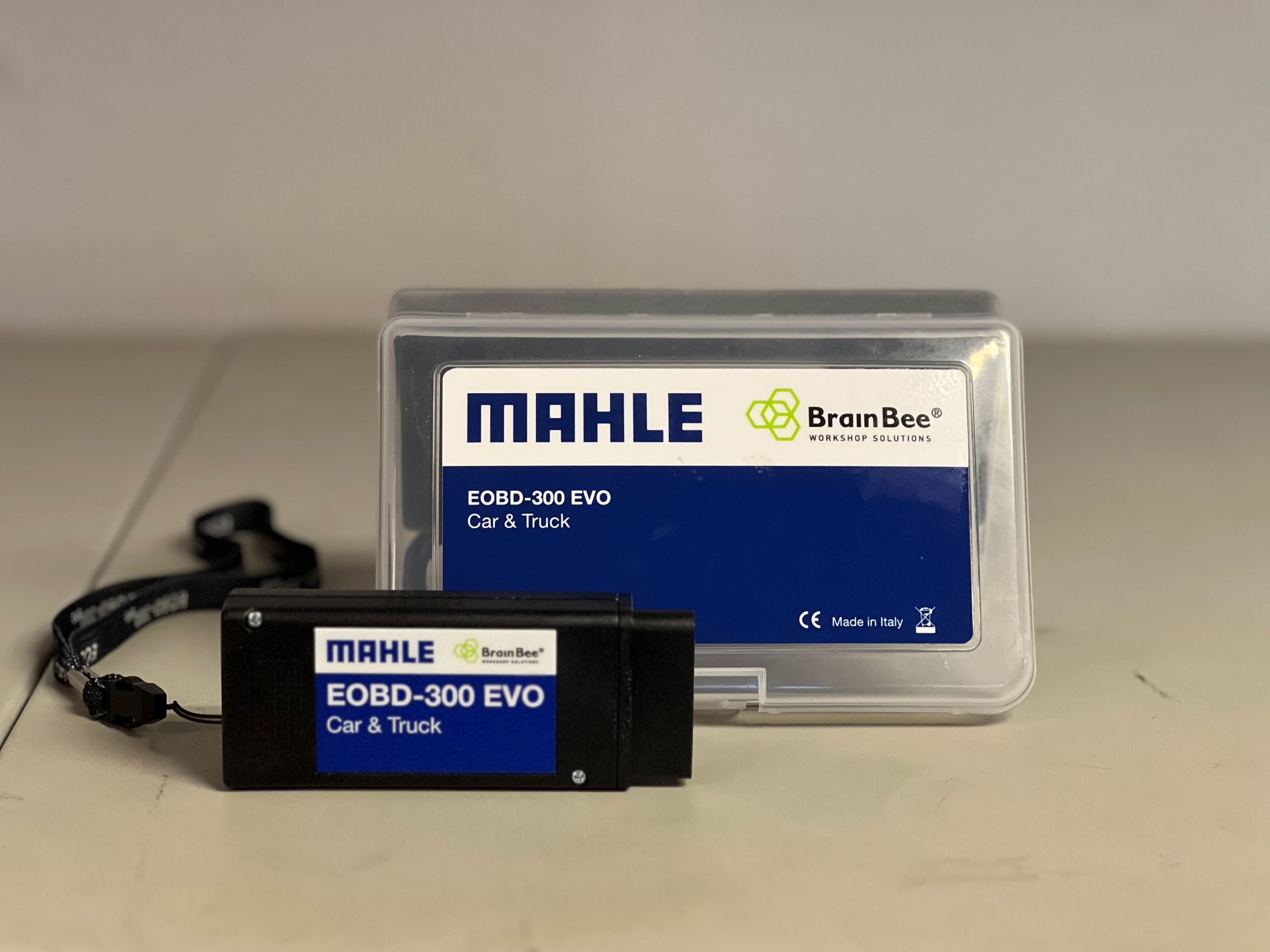
- Brainbee Smoke and gas analysers
- LEV testing
- All torque wrenches
- Tyre pressure and depth gauges
- Micrometers and multimeters
- Weighing scales
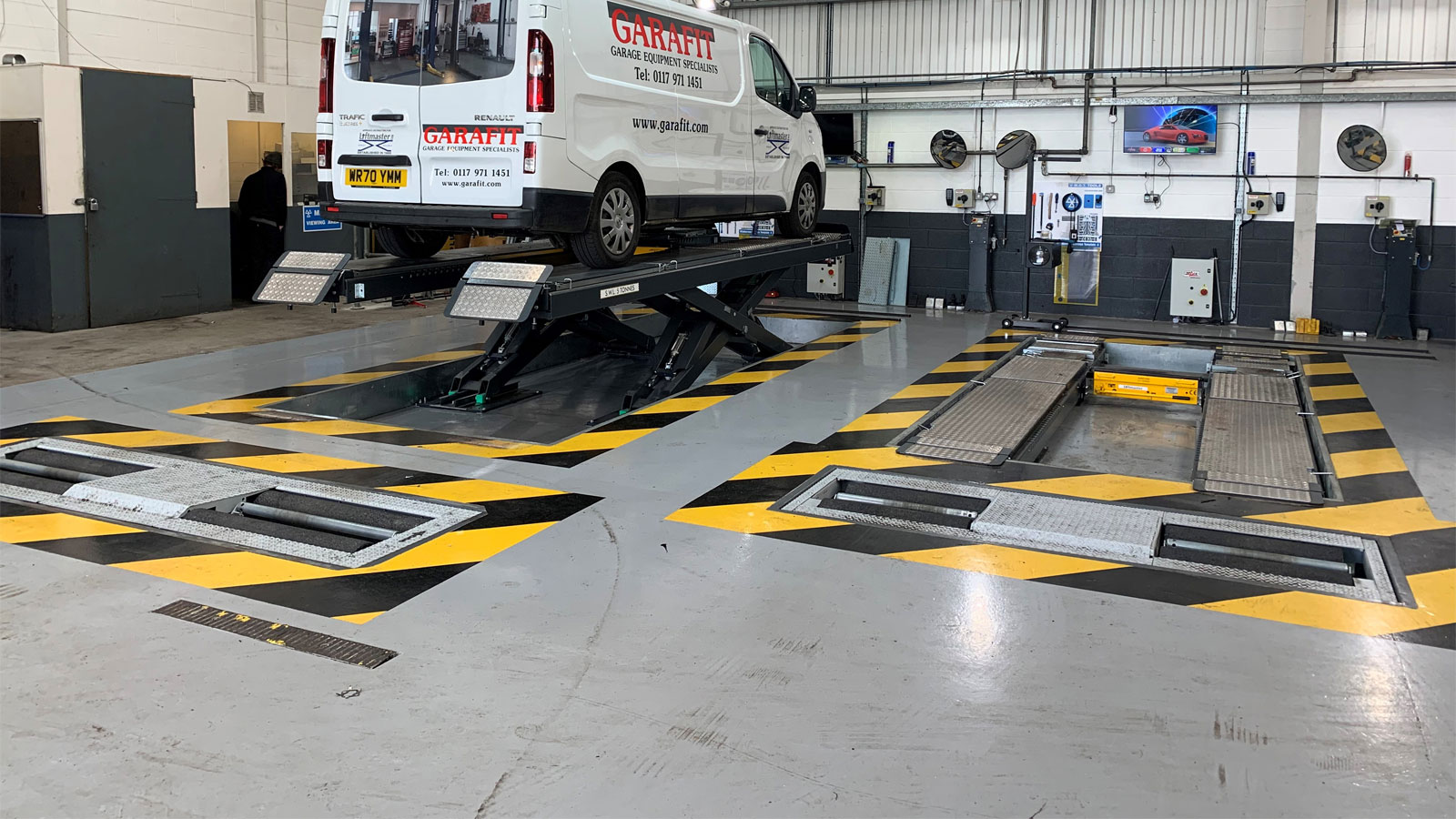
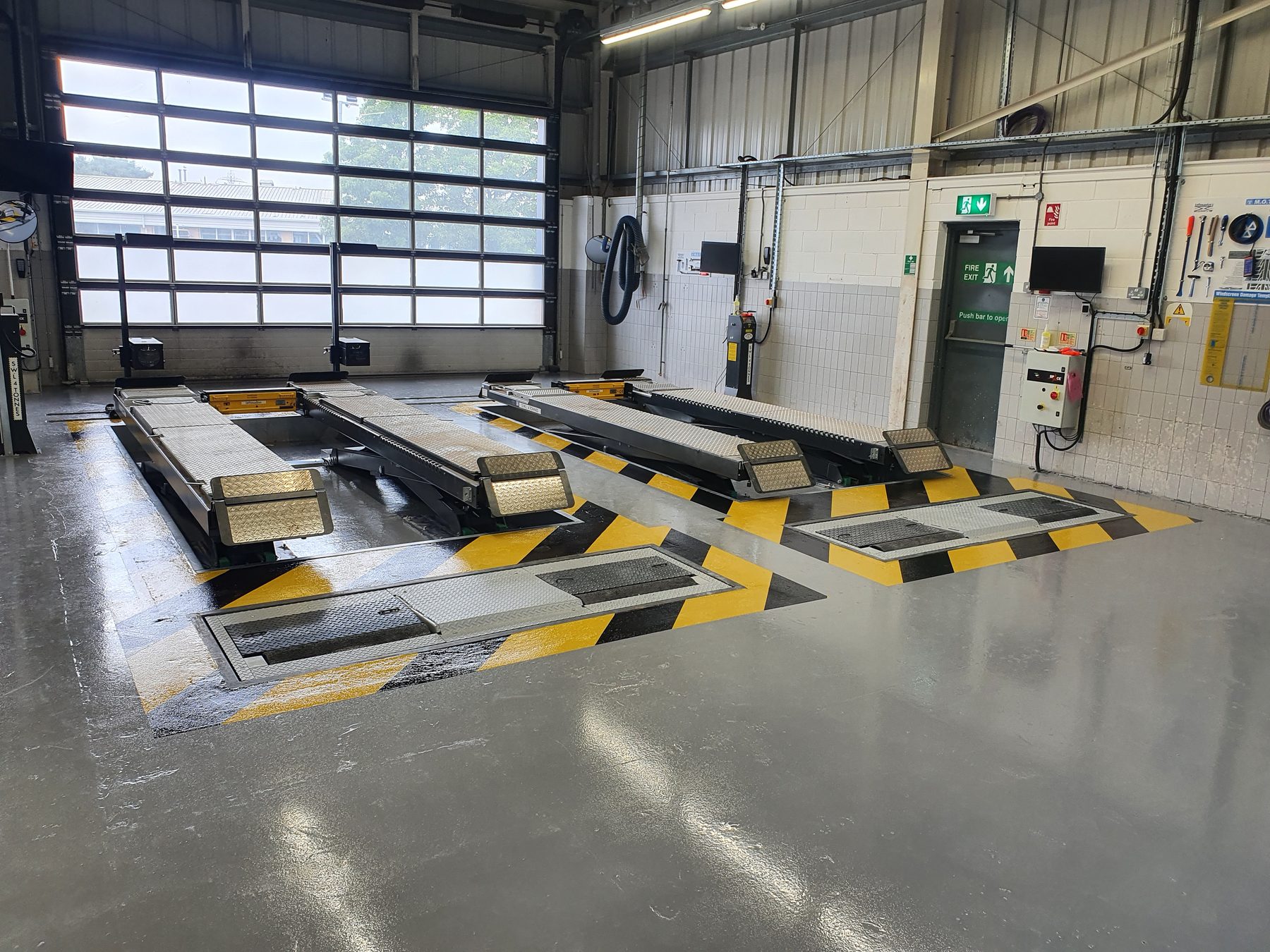
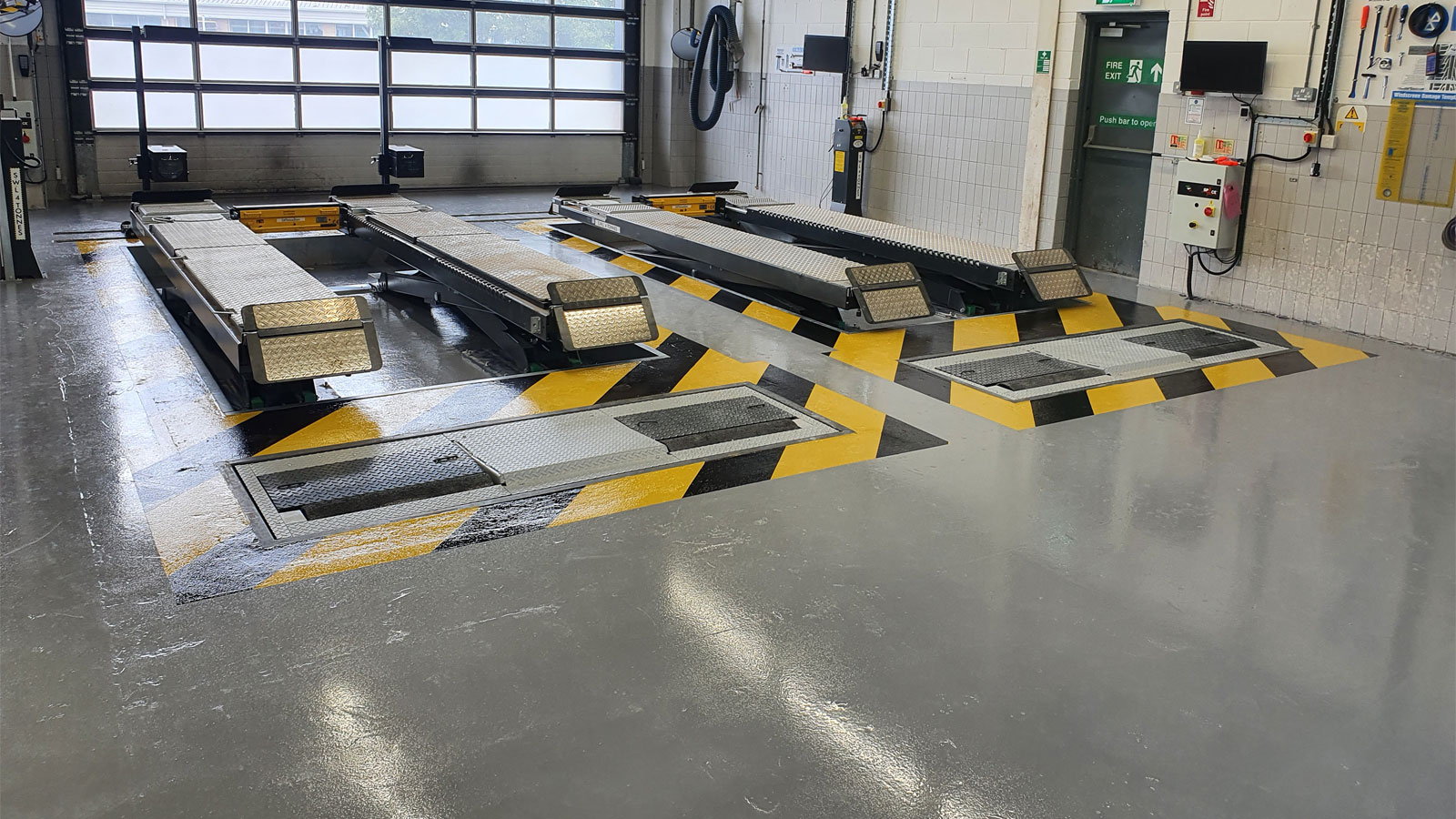
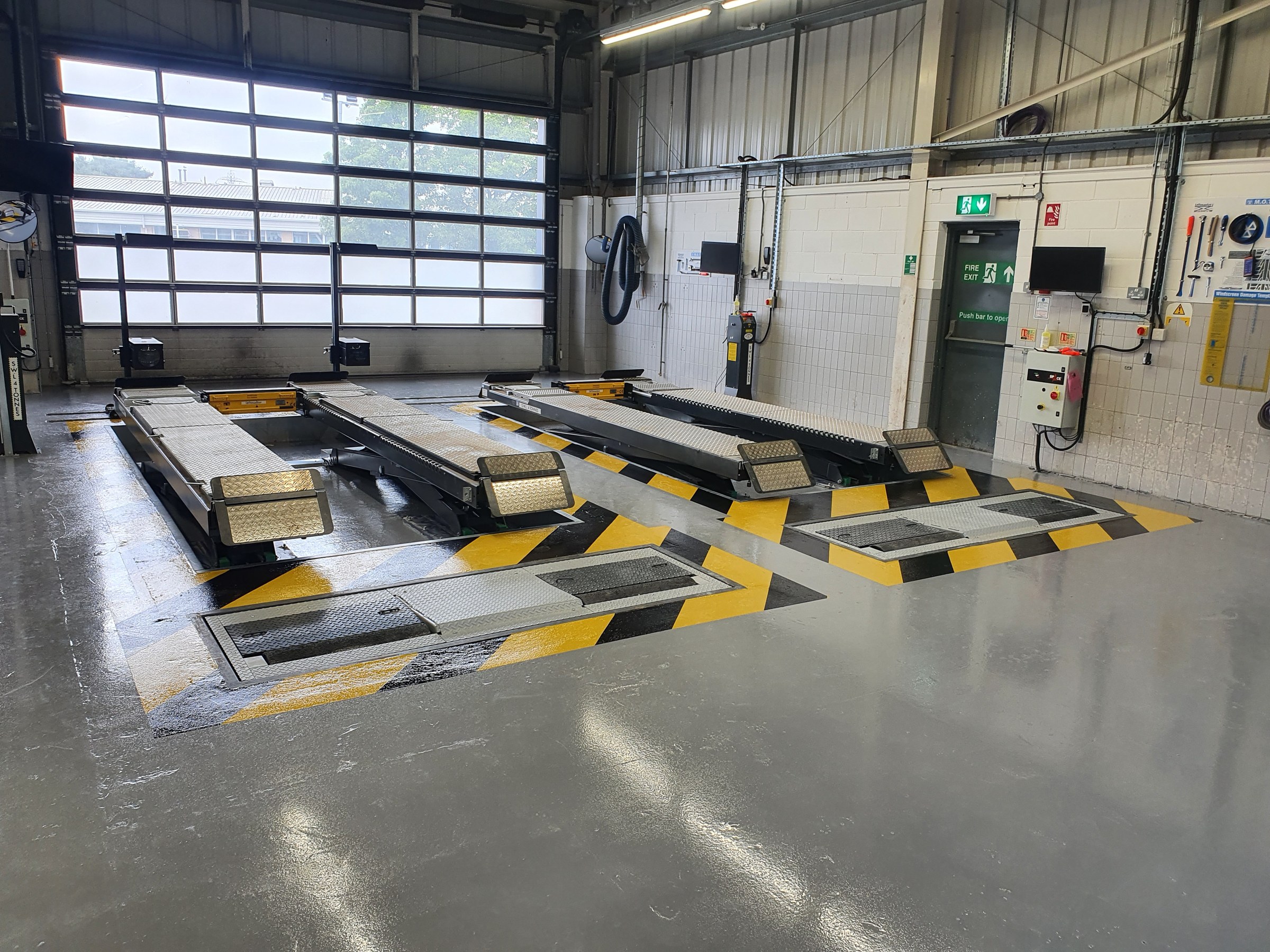
- MOT bay calibration, brake testers included
- Compression testers
- Pressure gauges
- Feeler gauges
- Wheel balancers
- Straight edge testing
- Vernier gauges
Questions
Calibration — your questions answered
How often does MOT equipment need calibrating?
MOT equipment operates on a six-monthly calibration cycle, and keeping it within its calibration period is an essential part of maintaining compliance. This applies to equipment including brake testers, headlamp aligners, smoke meters and gas analysers. Out-of-date calibration can leave a test station non-compliant and potentially cause disruption when equipment records are checked. At Garafit, we keep track of your calibration dates and contact you the month before your equipment is due, giving you time to arrange a convenient date around your working week. If you’ve taken on equipment from another supplier or aren’t sure when it was last calibrated, send us the details or your existing certificates and we can help establish where it sits in its calibration cycle.
What actually happens during a calibration visit?
Our engineer will attend your site with manufacturer-authorised calibration equipment and assess each item against the relevant standards and tolerances for that specific type of equipment. If equipment is found to be within tolerance, it will be certified accordingly. Where an item is outside tolerance but can be adjusted, we’ll bring it back within specification and re-check it to confirm its accuracy. If equipment cannot be brought back within the required standard, we’ll explain the issue and recommend that it is removed from service, rather than certifying equipment that should not be used. Once completed, you’ll have accurately calibrated equipment and the certification and paperwork to prove it.
Do you calibrate small tools as well as MOT equipment?
Yes — we calibrate small workshop tools too, and these are often the items that get overlooked. Torque wrenches can lose accuracy through regular use, while tyre pressure and depth gauges, micrometers, multimeters, weighing scales, compression testers, feeler gauges and vernier gauges can all gradually fall outside their required tolerances. We can help keep your whole workshop calibrated, not just the equipment where calibration is a legal requirement. This gives you greater confidence that the tools and equipment you rely on every day are accurate, reliable and working as they should.
What is LEV testing and do I need it?
Local Exhaust Ventilation (LEV) systems play an important role in keeping your workshop safe by removing exhaust fumes, welding fumes, dust and other airborne contaminants. Under COSHH requirements, LEV systems should be thoroughly examined and tested at least every 12 months, with records retained for five years. Unlike MOT equipment, LEV testing is a workplace health and safety requirement, so it can easily be overlooked. To make things easier, we can carry out LEV testing alongside your calibration visit, helping you keep everything up to date without having to arrange separate appointments.
Are your engineers accredited?
Our calibration work is carried out by GEA-approved engineers using manufacturer-authorised calibration equipment, ensuring your equipment is calibrated accurately and to the appropriate standards. GEA (Garage Equipment Association) is the recognised trade association for the garage equipment industry. With a minimum of 8–10 years’ experience in the trade, our engineers have extensive knowledge of garage equipment and the practical expertise required to identify and address calibration issues. We take care to ensure every item is accurately assessed, calibrated and checked, giving you confidence that your equipment is working within the required tolerances.
What if something fails between scheduled calibrations?
Equipment failure can bring a busy workshop to a standstill. If something stops working or isn’t giving accurate readings, give Garafit a call. We offer a 24- and 48-hour emergency repair service for our customers, helping to minimise downtime and get your equipment back in working order as quickly as possible. Our experienced team can often talk through the issue with you over the phone and advise whether there is a temporary workaround while you wait for an engineer. Contract customers receive priority, helping ensure your workshop gets the support it needs when equipment failure occurs.
More from Garafit
Our other services
STAY COMPLIANT. WE'LL HANDLE THE REST.
We keep track of your calibration deadlines, arrange visits before they fall due and work around your schedule to keep your workshop compliant with minimal disruption.